Keep Antarctica for science and peace.
2041 marks fifty years since the world agreed to leave one continent alone. This is the mission log: the walks, the clean-up, the yacht, the E-bases, thirty years of expeditions, the network they built, and what comes next.
2041 Legacy is the record of the mission. It is not a trading business. The expeditions and the on-ground work are delivered by the partners named at the foot of this page.
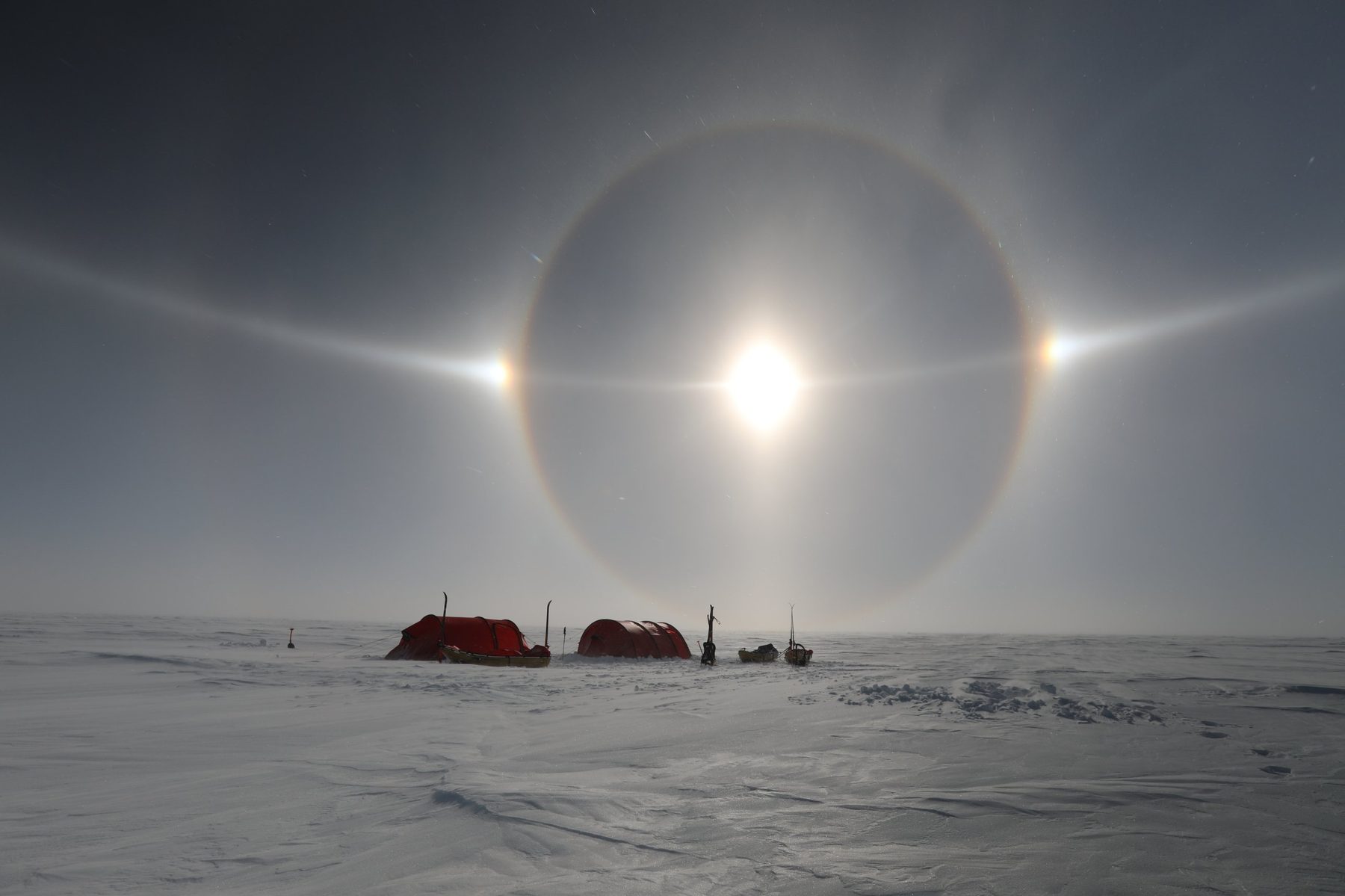
Log 01 · Why 2041
The year the question can be asked again.
In 1991 the nations that govern Antarctica signed the Protocol on Environmental Protection. It names the continent a natural reserve, devoted to peace and science, and it bans mining.
The ban has no end date. But fifty years on, any governing nation can ask for the rules to be reviewed. 2041 counts those fifty years from the day the Protocol was signed. It took legal force in 1998, so the formal window opens in 2048.
Whichever date you use, the job is the same. By then, enough people and enough industry must want Antarctica left alone that reopening it makes no sense.
Log 02 · The priority
Make keeping Antarctica the easy decision.
Three strands of work, running side by side for more than three decades.
E-bases and education
Teach
Run classrooms at the edge of the map, on clean energy, connected to schools at home.
See the E-basesLegacy Expeditions
Witness
Put the people who will be in charge in the 2040s on the ice now, and send them home with a plan.
See the networkSolutions
Prove
Show that clean-up, clean energy and repair work in the hardest places, so nobody needs to drill in the last one.
See the solutionsLog 03 · Timeline
What has happened so far.
Four decades. Every chapter set a standard the next one had to meet.
- 1959Protection
The Antarctic Treaty
Twelve nations sign on 1 December. A whole continent is set aside for peace and science.
- 1986Expedition
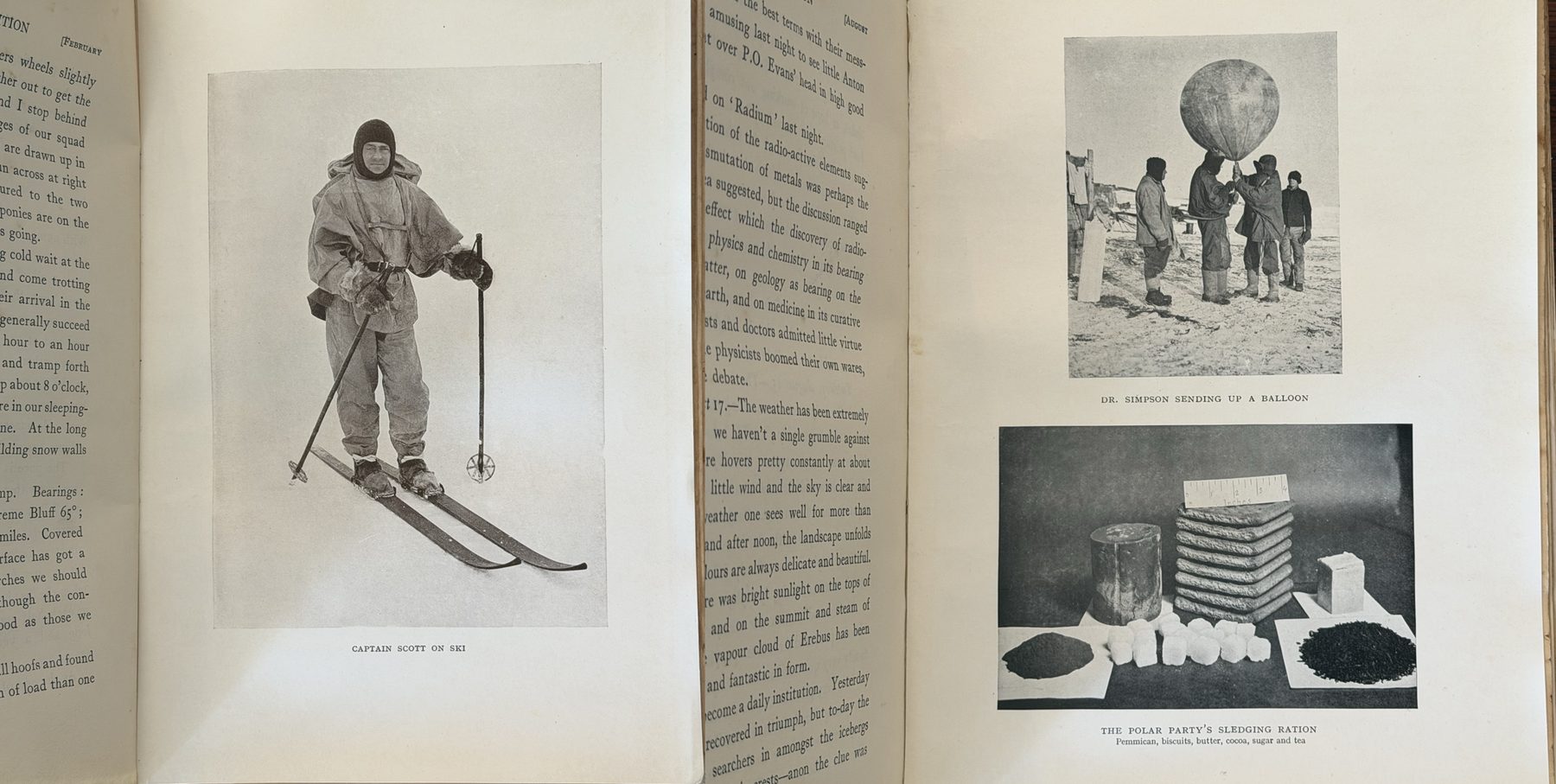
In the Footsteps of Scott
Robert Swan, Roger Mear and Gareth Wood walk 900 miles to the South Pole in 70 days, with no radio and no back-up. They arrive on 11 January. The team later goes back to bring every trace of the expedition home.
- 1989Expedition
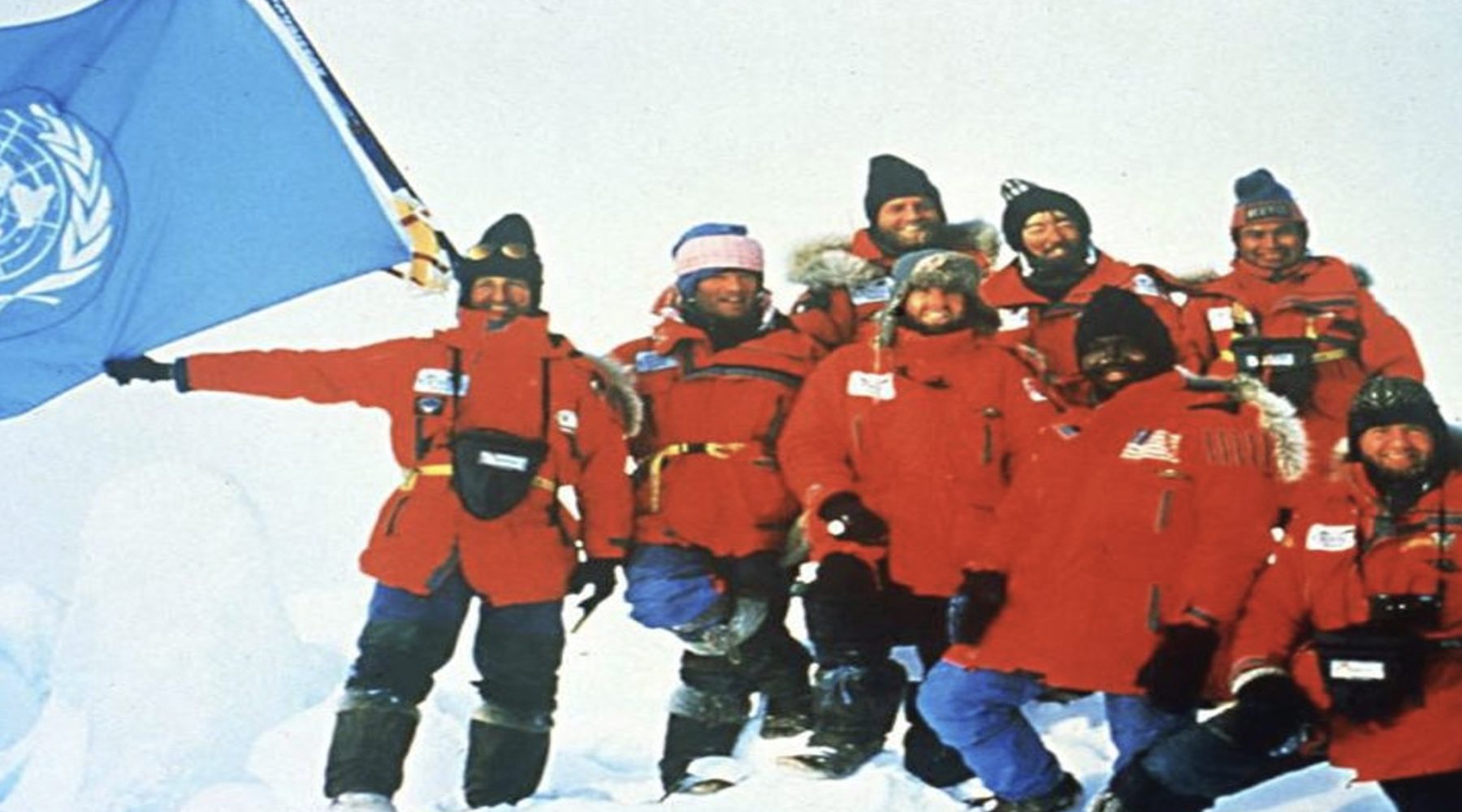
Icewalk to the North Pole
Eight people from seven nations reach the Pole on 14 May after 56 days on ski, with the sea ice melting early beneath them. A base camp of 22 people from 15 nations makes education films and clears rubbish from the Arctic shore.
- 1991Protection
The Protocol is signed
On 4 October in Madrid, nations agree to ban mining and name Antarctica a natural reserve. The fifty-year count starts here, and so does 2041.
- 1992Protection
Rio Earth Summit
World leaders set a challenge: think global, act local. The promise made in reply is one global mission and one local mission, delivered with young people, industry and business, and reported back in ten years.
- 1996to 1997Expedition
One Step Beyond
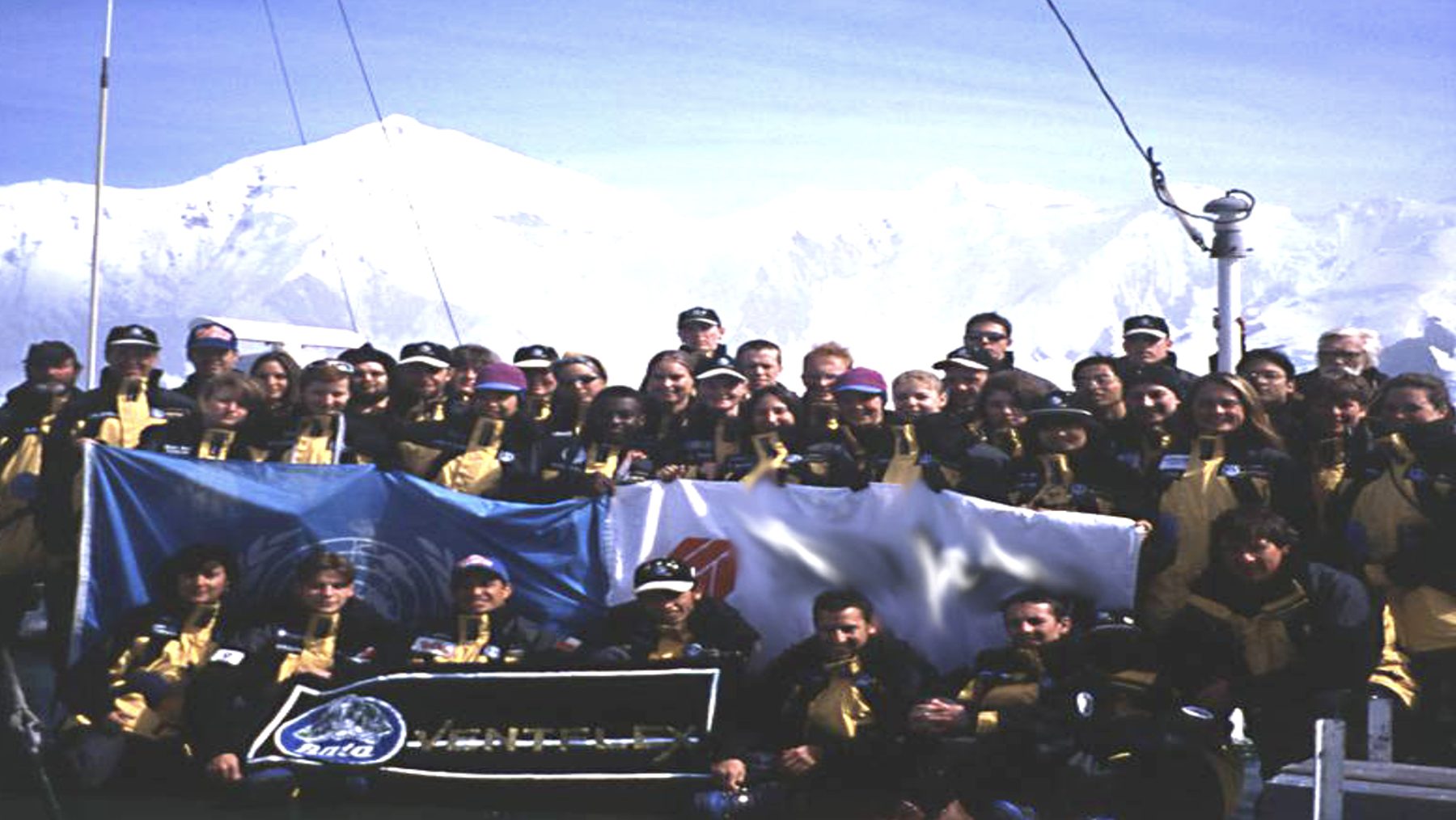
35 young people from 25 nations come together in Antarctica and choose the global mission: clean up the waste left at Bellingshausen station. Thirty years of expeditions start here.
- 2002Solutions
Mission Antarctica: 1,500 tonnes gone
Scrap metal, old machines and fuel barrels are gathered with Russian crews at Bellingshausen on King George Island, shipped to Uruguay and recycled. It takes eight years from first plan to last load. The penguins come back to the beach.
- 2002Protection
Johannesburg World Summit
Both missions are reported to world leaders as done. A new ten-year brief follows, with renewable energy at its centre.
- 2003Expedition
The first Leadership on the Edge expedition
Industry leaders, teachers and young people travel to the Antarctic Peninsula together. The programme has been taking teams to the ice ever since.
- 2003to 2005Expedition
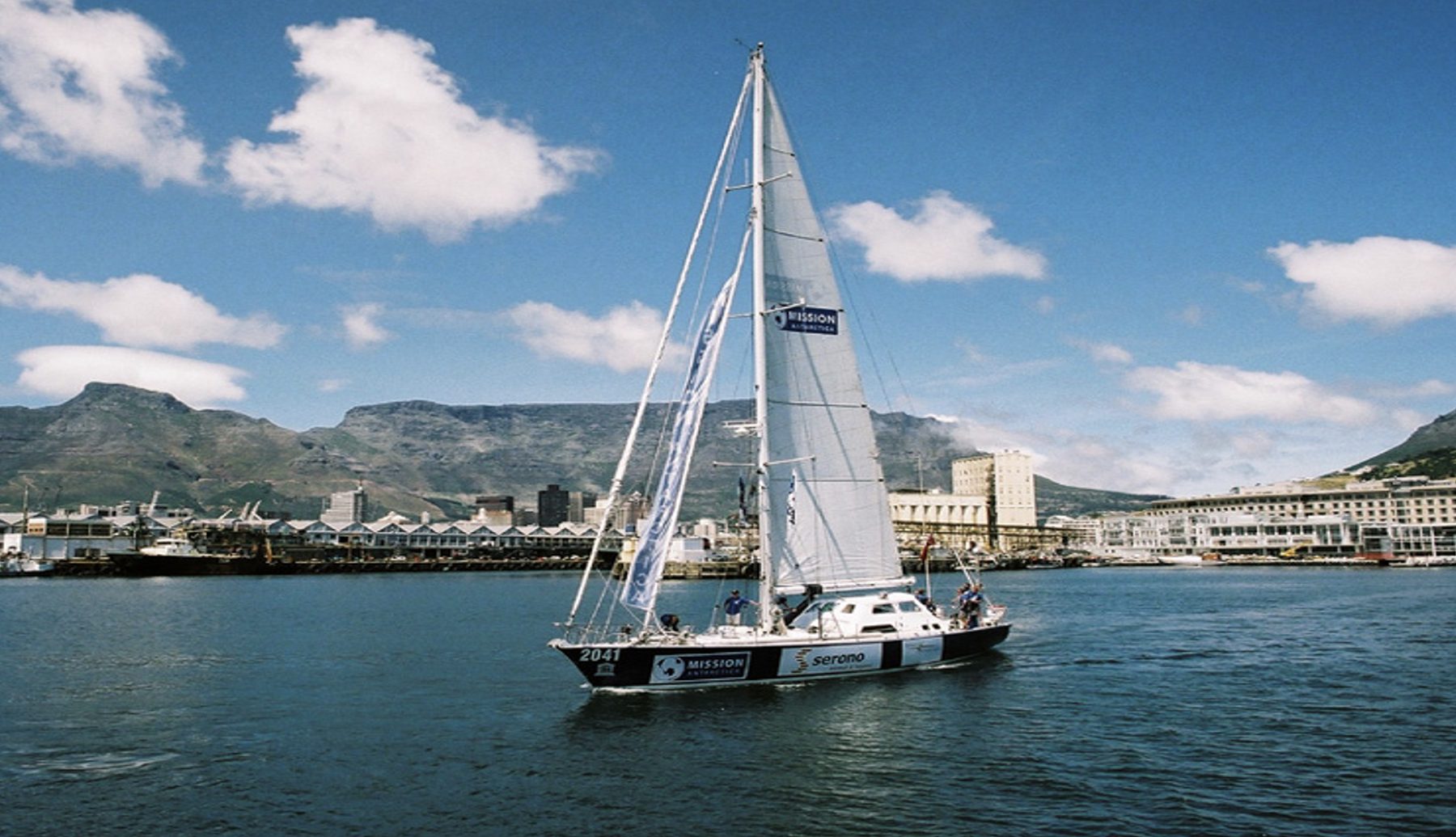
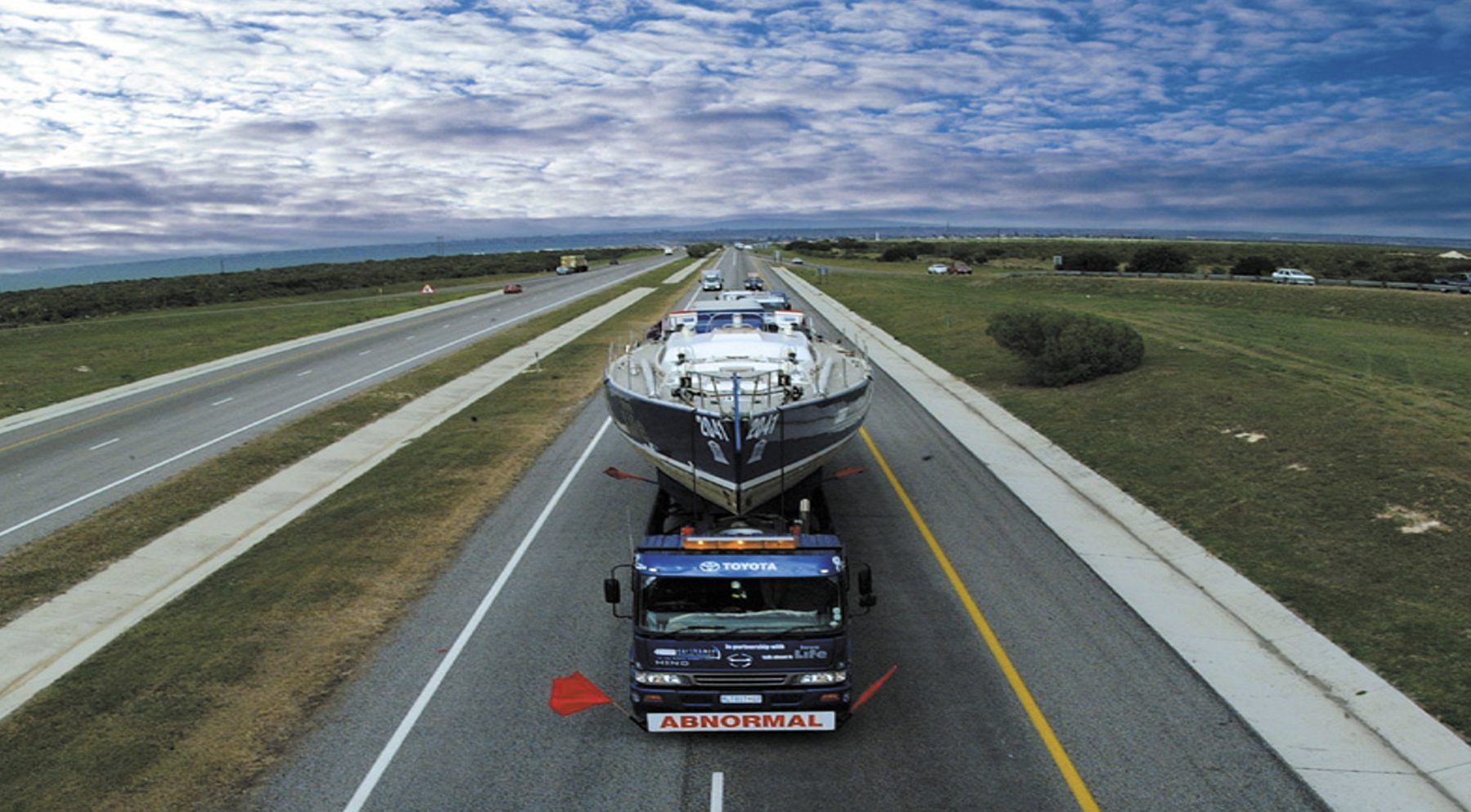
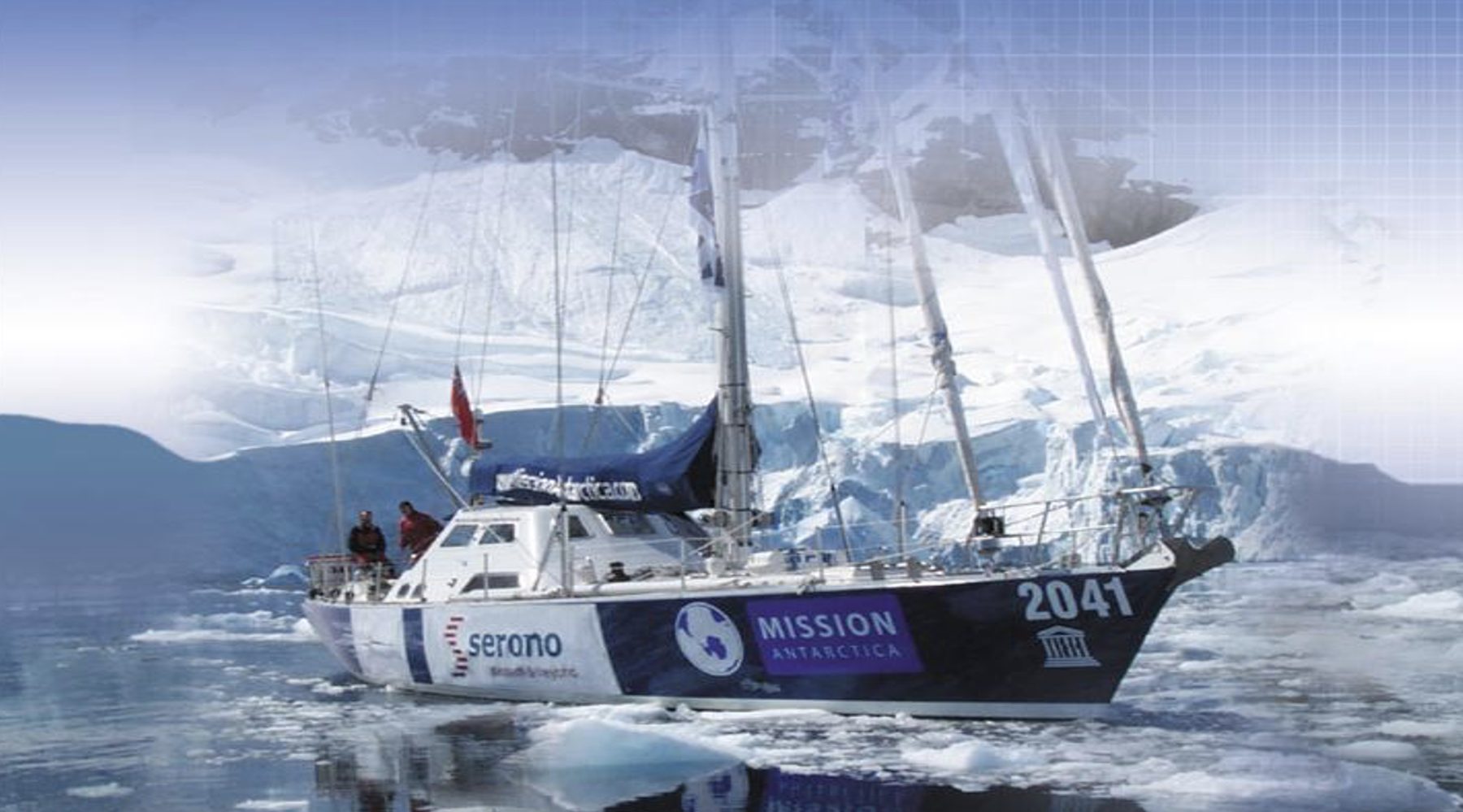
The yacht 2041
The Cape to Rio race, then a lap of Africa with the first African crew to sail around their own continent. In 2004 she races Sydney to Hobart under sails made with recycled plastic bottles.
- 2008E-bases
The E-Base goes live
The first education station in Antarctica opens beside Bellingshausen. In March a small team lives there for two weeks on renewable energy alone and broadcasts to classrooms. In April the Voyage for Cleaner Energy sets sail from San Francisco.
- 2012Protection
Rio+20
Twenty years after the first challenge, 2041 reports back to the world summit in Rio.
- 2016Solutions
80 degrees South
A test team camps at Union Glacier to trial the clean energy kit for a walk to the Pole.
- 2017to 2018Solutions
South Pole Energy Challenge
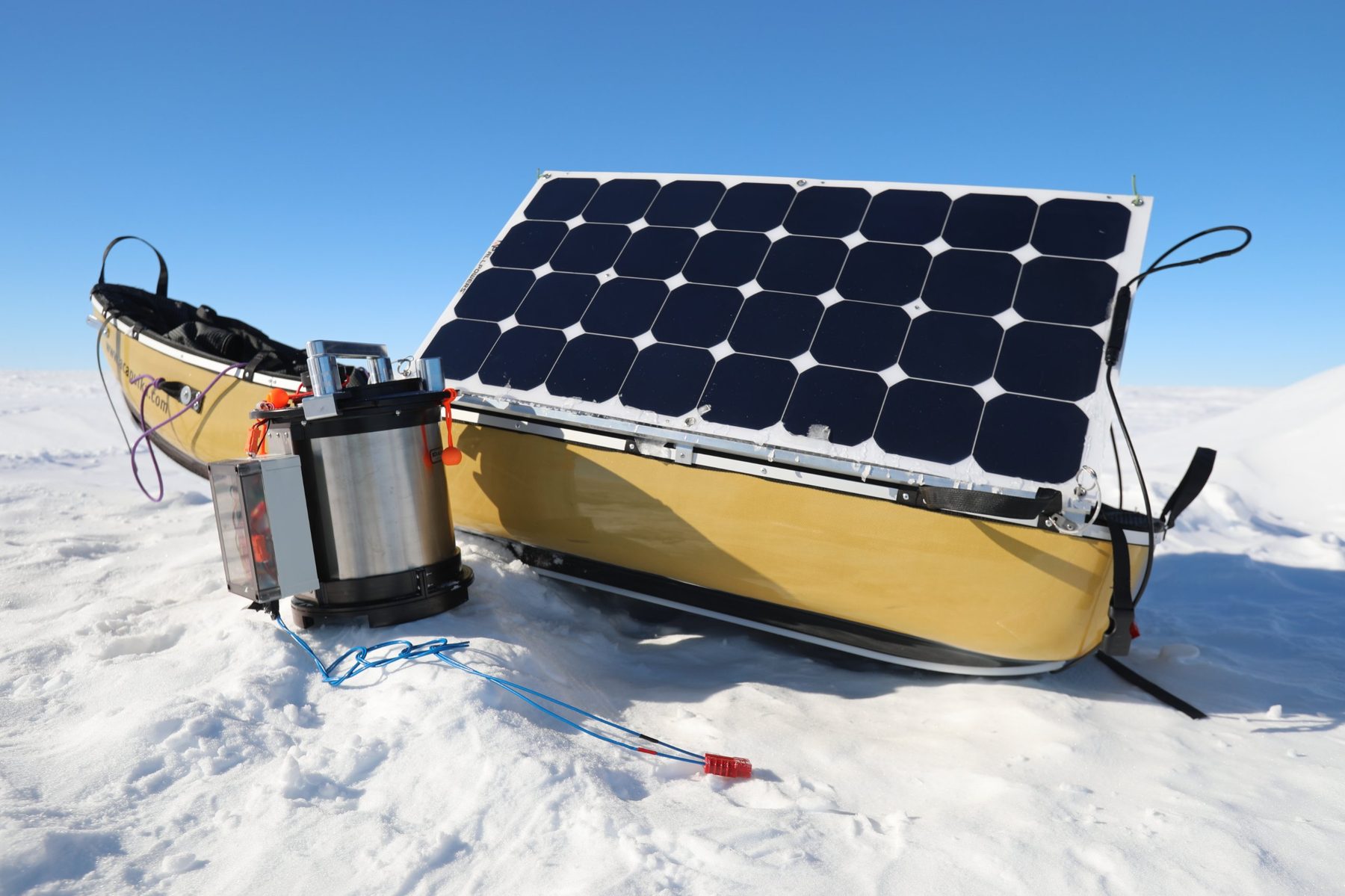
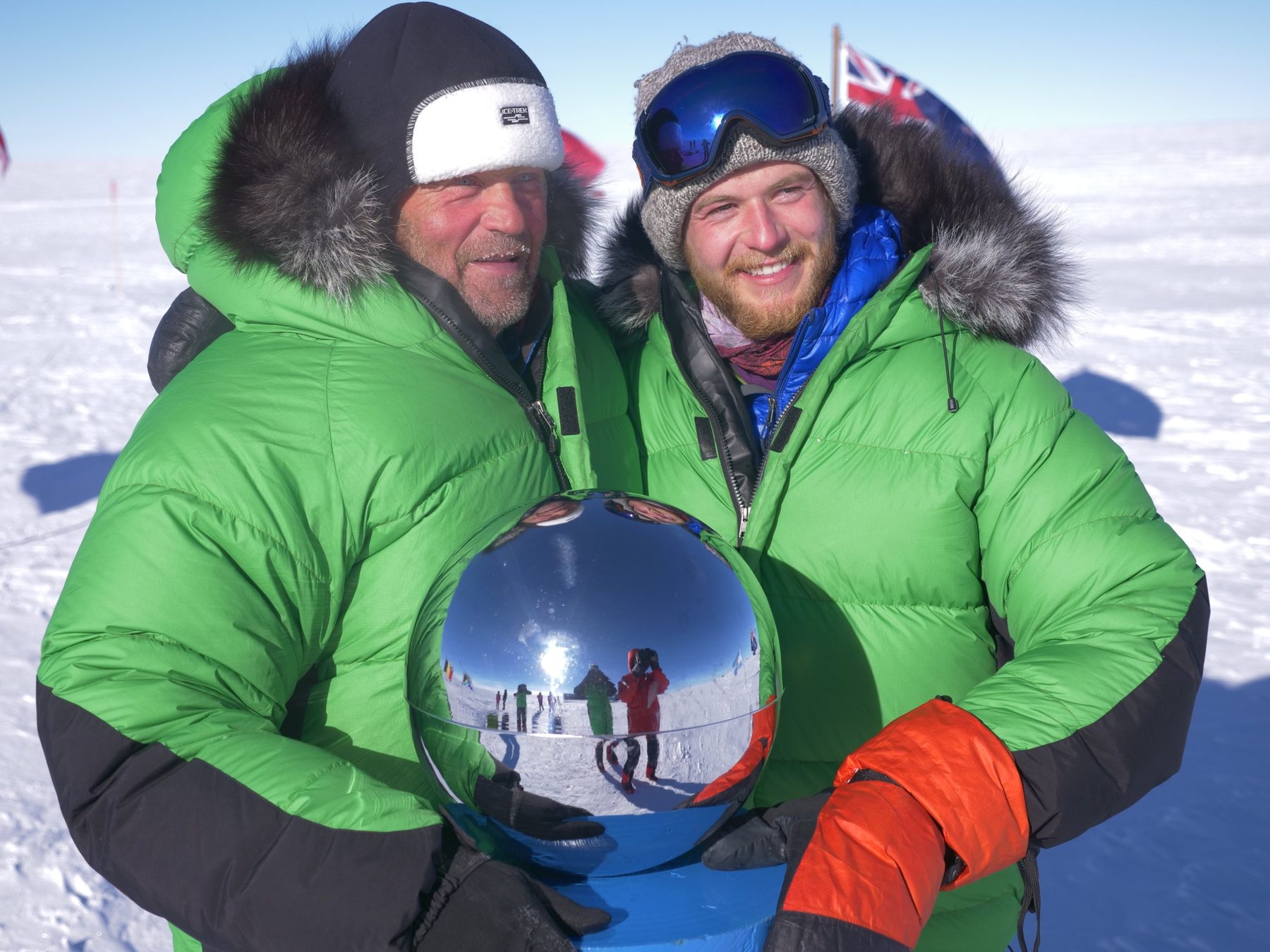
600 nautical miles in 56 days, arriving on 15 January 2018. The sleds carry a NASA-designed solar ice melter, batteries and biofuel made from waste. It is the first expedition to reach the Pole on renewable energy alone, and two generations stand there together. See the SPEC log.
- 2019Solutions
ClimateForce begins
The next generation sets up an Australian charity to take the lessons of the ice to places where people live and work. The first trees go into the ground in the Daintree in 2021.
- 2020Expedition
The Last 300
An attempt on the final 300 nautical miles of a crossing of Antarctica on foot ends 97 miles short, with an injury and an evacuation.
- 2022Expedition
2041 ClimateForce: Antarctica
After two years of pandemic delay, about 170 people from more than 35 nations sail from Ushuaia in March aboard Ocean Victory.
- 2023Expedition
Undaunted
The last 97 miles are walked on renewable energy. Arrival at the Pole in January closes a crossing of the Antarctic landmass that began in 1986.
- 2025E-bases
Ice Station, Union Glacier
Young leaders, teachers and scientists spend two weeks deep in the interior in December. Broadcasts from the station reach 2.1 million young people in 28 nations.
- 2026NowExpedition
Antarctica 2026: Leadership on the Edge
25 November to 2 December. Forty years after the first walk to the Pole, around 75 people head south with 2041 and ClimateForce.
- 2041Protection
Fifty years on
The people who stood on the ice as students and young managers are the ones running companies, ministries and classrooms. That is the plan.
Log 04 · From the archive
The record, in pictures.
From Scott's own book to the yacht that carried the name around Africa and into the ice.
Log 05 · Education and the E-bases
One trip becomes a lesson for millions.
Education is the biggest thing 2041 does. A handful of people stand on the ice. A classroom at the edge of the map sends it to everyone else. The E-base is the machine that turns an expedition into a school.
The first education station on the continent, built by expedition teams from recycled materials beside Bellingshausen on King George Island. Run for two weeks on wind and sun, with live lessons to schools.
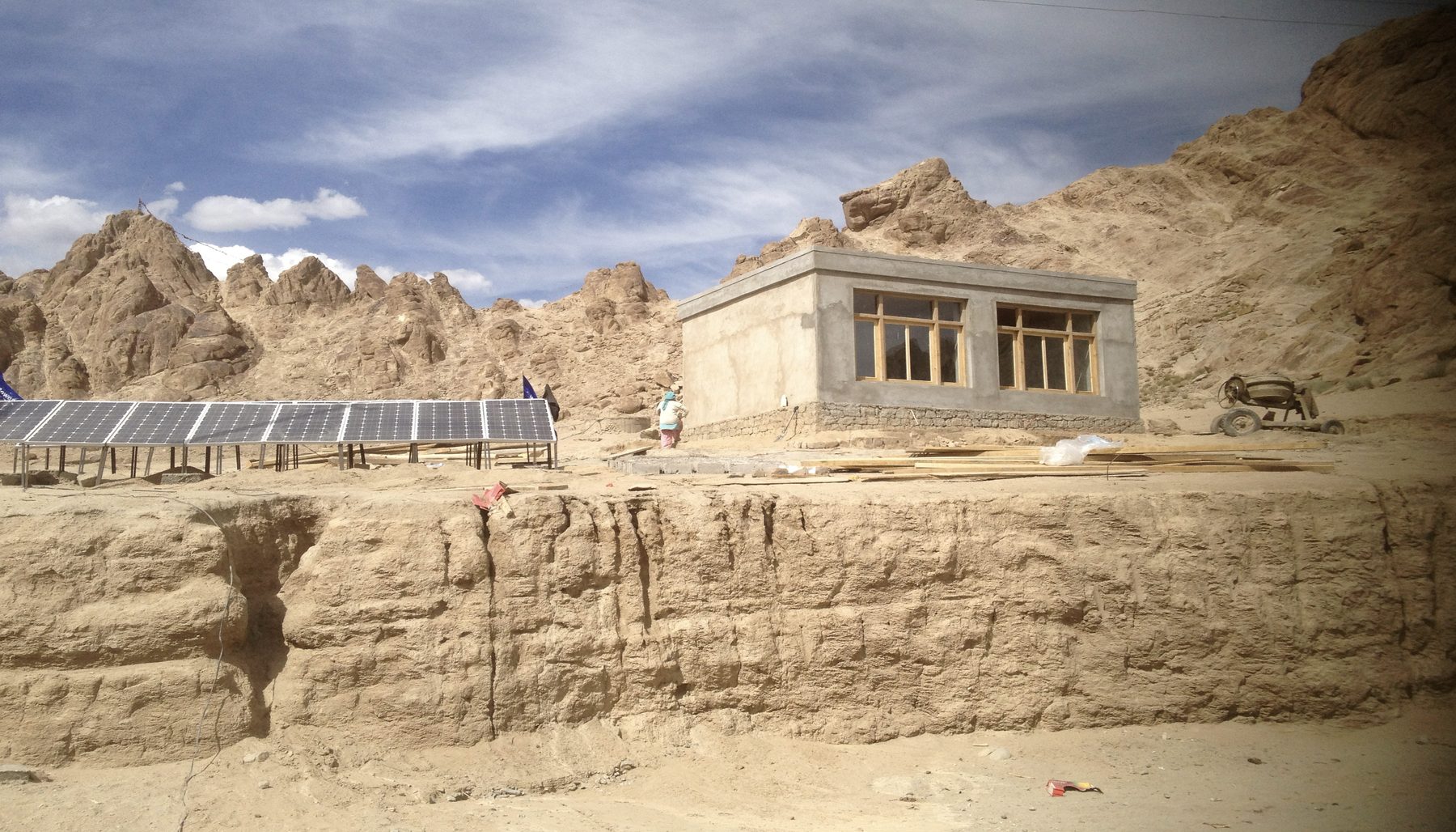
Solar-powered E-base classrooms, including one at Pench Tiger Reserve with the Conservation Wildlands Trust that went on to work with more than 1,200 students from nearby villages.
Union Glacier, deep in the interior. Teachers, scientists and young leaders on site, and 2.1 million young people in 28 nations following from home.
Students and teachers travel with the expedition and report home before, during and after. The teachers are the multiplier: one teacher on the ice is a whole school at home.
Since 2019 the mission has had a base at the other end of the planet: a 213 hectare research station in the oldest rainforest on Earth, where 750 interns and volunteers have come to learn by doing.
Log 06 · Legacy Expeditions and the 2041 Network
Go, see it, come home changed.
Nobody protects a place they have not felt. For thirty years the expeditions have put leaders and young people on the ice side by side. What they built is a network.
South Pole 1986. North Pole 1989. Two journeys that showed the damage first hand and started the mission.
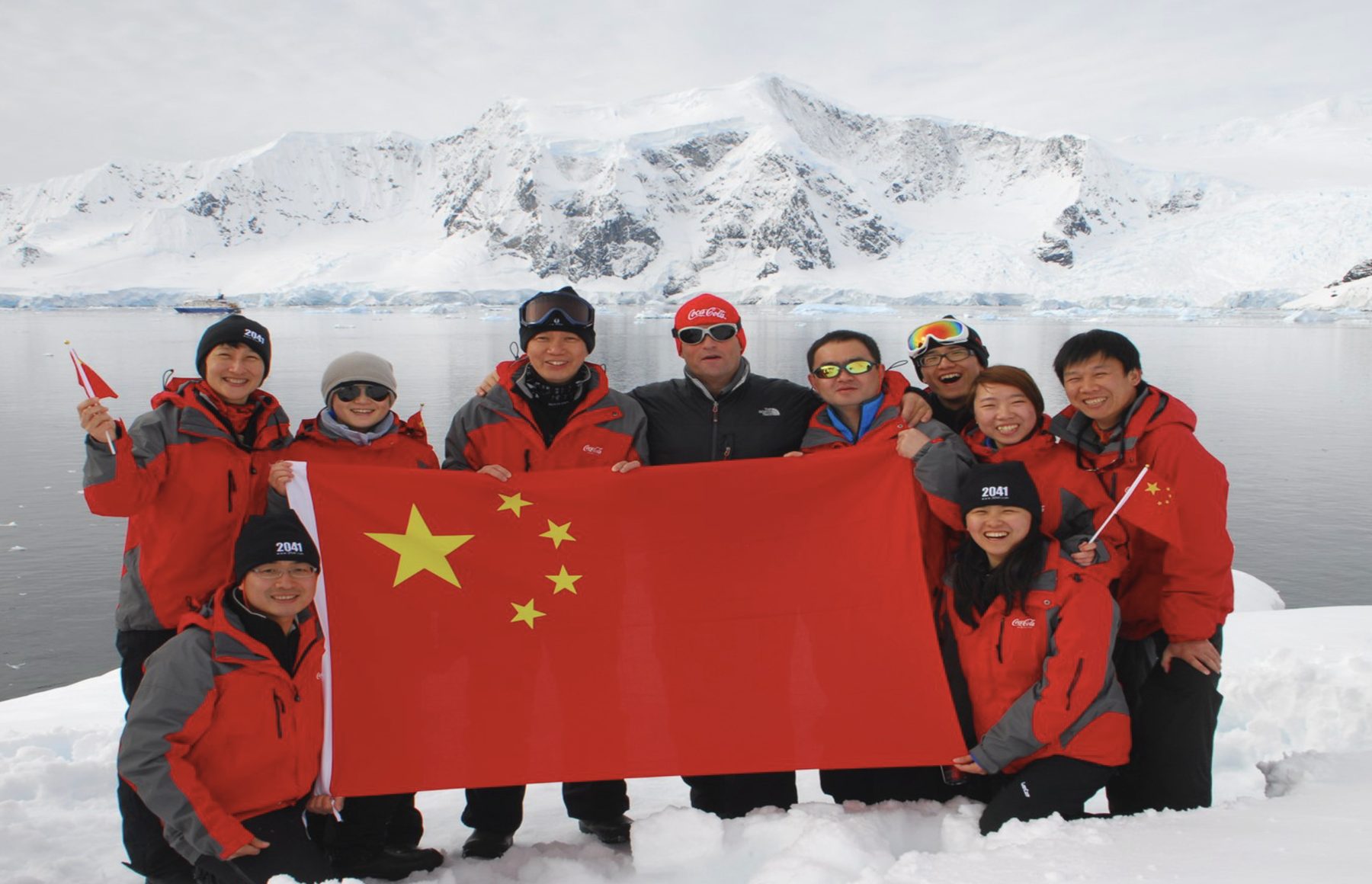
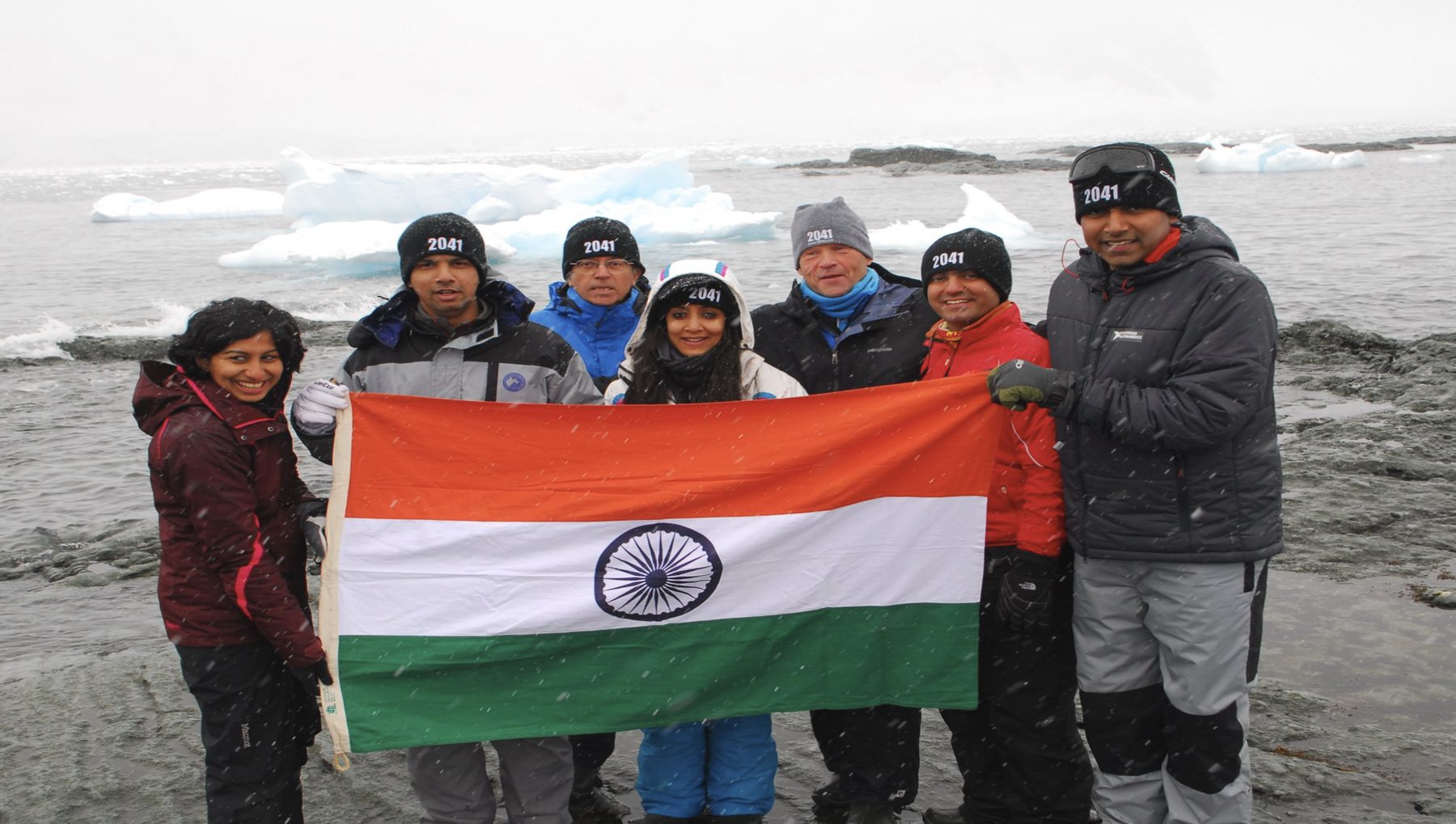
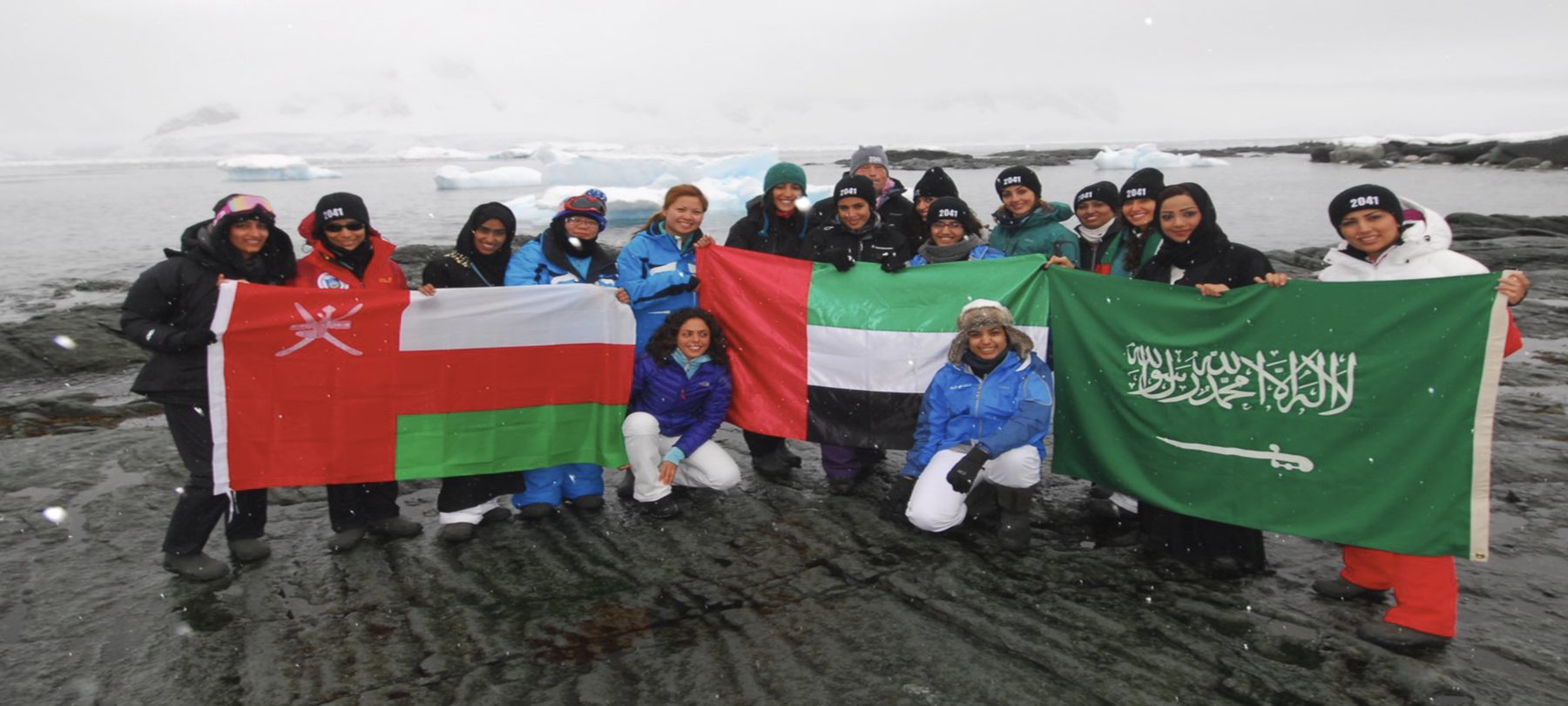
Mixed teams of industry leaders, teachers and students. Past expeditions have carried 65 to 170 people from 19 to 38 nations.
A speech you have given, an action plan for your own patch and a short film to show the people who were not there.
More than 3,500 people so far, now at work in over 100 countries. Many came as students and now run the companies, schools and ministries that will be in the room in 2041.
Log 07 · South Pole Energy Challenge
If it works here, it works anywhere.
November 2017 to January 2018. 600 nautical miles to the Geographic South Pole, 56 days, every watt from renewable sources. The first time it had been done.
Log 08 · Successional planning
A fifty year mission has to outlive the people who start it.
2041 was built to be handed on. Each decade sets the standard, trains the next team and passes the work along. The founder's job was to make himself unnecessary. Yours is to pick it up.
Walk it
Two Poles on foot. See the damage first hand. Accept a fifty year mission from Jacques Cousteau and name it for the year it matters.
Bring others
Thirty years of expeditions. Young people and industry leaders, 3,500 of them, each sent home with a job to do.
Hand it on
Two generations walk to the Pole together on renewable energy. The next generation founds ClimateForce and takes the mission to the tropics.
Multiply
Expeditions run from the ice to the Daintree. The alumni take seats at the table. By 2041 the room is full of people who have stood on the ice.
Your turn · Three ways to take the baton
Start with a tree. Go as far as you want.
One · Support the commons
Plant a tree
A tree in the legacy forest, planted through the charity and mapped for life. Your piece of the commons at the other end of the planet from the ice.
See the trees on the live mapTwo · Support the network
Back a case study
One real test of a solution in your industry, from a cane farm to a classroom. The results go back to the whole network.
Talk to the teamThree · Explore new markets
Next generation expeditions
From the ice to the Daintree. Send a team, or shape the expedition after this one, and come home with new ground to work on.
See the expeditionsTalk to the team: support@climateforce.au
Log 09 · Solutions
Proof beats promises.
Every decade of 2041 has left something done on the ground. The ice sets the standard. The work of meeting it now runs from the poles to the tropics.
1,500 tonnes of waste removed from Bellingshausen and recycled. Proof that a mess left by one generation can be cleared by the next.
E-Base 2008. South Pole 2018. South Pole 2023. If wind, sun and biofuel can melt ice and cook dinner in the coldest place on Earth, they can work at home.
Since 2019 the next generation has run a research station in the Daintree, on Eastern Kuku Yalanji Country. More than 25,000 trees planted, each one mapped. A working test of whether cleared land can be brought back and still pay its way.
Antarctica asks to be left alone. The world's oldest rainforest, its mangroves and the Great Barrier Reef are where repair can be tested, measured and copied.
Log 10 · Global Commons
Three places held in trust for everyone.
The last great wilderness, the oldest rainforest, the biggest reef. One principle runs through all three: they belong to no one, so they must be looked after by everyone.
The standard. Held for science and peace since 1959. The 2041 review is the test of whether we meant it.
The biggest living structure on Earth, and the first to feel the heat.
The most diverse mangrove system in the world, holding the line between reef and land.
The oldest rainforest on the planet. Where the mission's second base proves repair pays.
Log 11 · Now
Antarctica 2026: Leadership on the Edge
Forty years after the first walk to the Pole, the expedition heads south again. The clean-up on the ice and the trees in the rainforest are the same act at two ends of the planet.